When people hear the term “magnet dog,” they often imagine a specially trained dog with an extraordinary ability to lure every lost dog home. In actuality, it is much simpler.
A magnet dog is a carefully selected companion dog used to encourage a frightened, lost dog to lower its guard and approach. Rather than attracting a lost dog through obedience or commands, a magnet dog appeals to something much deeper, natural canine social behavior.
One of the biggest misconceptions is that magnet dogs are always highly trained recovery dogs. While experienced recovery organizations may have dogs that are well suited for this role, the very best magnet dog is often one the lost dog already knows and trusts.
If the missing dog shares a strong bond with another dog in the household, that familiar companion can become an invaluable part of the recovery effort. The sight, scent, and presence of a beloved canine family member can sometimes accomplish what no amount of calling, coaxing, or searching can.
When used appropriately, magnet dogs have helped recover countless dogs that would never have approached a human. However, success depends on selecting the right companion, understanding the missing dog’s personality, and recognizing when this technique is, and is not, the right choice.
Why Familiar Dogs Can Be So Powerful
When dogs become lost, especially after several hours or days, many enter what recovery volunteers refer to as survival mode.
In this primal, fear-driven state, the dog’s brain shifts from living as a beloved family pet to focusing solely on staying alive. Familiar training, obedience, and even recognition of their owners may temporarily disappear as instinct takes over. Their only goal is survival.
Owners are often heartbroken when their dog runs from them or refuses to come when called. This is a normal survival response.
What often remains, however, is the dog’s instinctive connection with another dog it knows and trusts.
Unlike humans, dogs communicate through scent, posture, movement, and countless subtle social signals. A familiar canine companion can quietly communicate safety in a way people simply cannot.
For some dogs, recognizing the scent of their housemate is enough to momentarily break through survival mode and replace fear with familiarity.
Choosing the Right Magnet Dog
Not every household companion is a good magnet dog. The most successful candidates are dogs that share a close, trusting bond with the missing dog and remain calm in unfamiliar situations.
The ideal magnet dog should:
- Have a close, positive relationship with the missing dog.
- Be calm and emotionally stable.
- Be comfortable in unfamiliar environments.
- Remain relaxed around strangers and other dogs.
- Be able to ignore distractions.
- Walk calmly on leash without pulling or barking.
Sometimes the quiet, older dog in the household makes a far better magnet than the energetic young playmate.
Owners are often in the best position to evaluate the relationship between their dogs. If the missing dog and its companion share a close, positive bond and are comfortable together, using that companion as a magnet dog may be worth considering. If you’re unsure whether this approach is appropriate, an experienced lost dog recovery volunteer can help assess the situation.
When Magnet Dogs Are Most Helpful
Magnet dogs are often considered when the missing dog:
- Has settled into a relatively consistent area.
- Is repeatedly seen but refuses to approach people.
- Has a strong bond with another household dog.
- Is friendly with other dogs.
- Is showing curiosity but remains fearful of humans.
The technique becomes especially valuable after search efforts transition into containment and recovery, when volunteers know approximately where the dog is spending time.
When a Magnet Dog May Not Help
Just as important is recognizing when not to use one.
A magnet dog may be inappropriate if the missing dog:
- Has shown aggression toward other dogs.
- Is fearful of unfamiliar dogs.
- Is extremely territorial.
- Guards food or other resources.
- Had a poor relationship with the proposed companion dog.
Using the wrong dog can increase stress and push the missing dog farther away.
The decision should be based on both the missing dog’s temperament and its relationship with the companion dog. Ask yourself: Are they closely bonded? Do they seek each other out? Are they comfortable and relaxed together? If the answer is yes, the companion dog may be an excellent candidate to serve as a magnet dog.
How the Process Works
Every recovery is different, but the goal is always the same: reduce pressure rather than increase it.
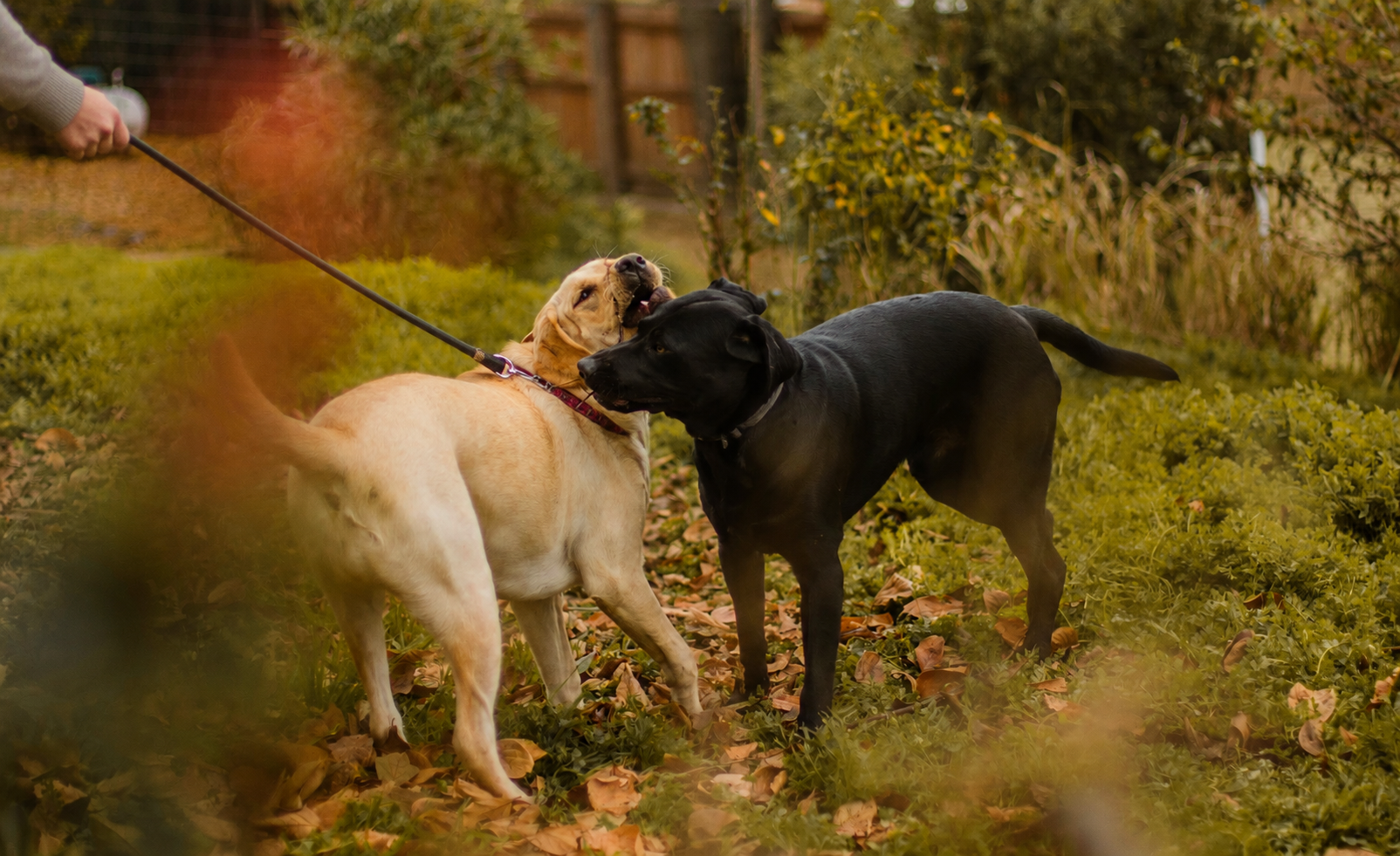
The magnet dog is usually brought into the area on leash and allowed to behave naturally. The handler avoids calling to the missing dog or encouraging interaction. Instead, the magnet dog quietly sniffs, explores, or relaxes.
If the missing dog appears, volunteers remain patient.
Often the dogs notice each other before any human realizes what’s happening.
The lost dog may begin following from a distance, circling, or slowly closing the gap.
The interaction cannot be rushed.
Sometimes the magnet dog simply provides reassurance while volunteers guide both dogs toward a humane trap, feeding station, fenced area, vehicle, or another safe location where the recovery can be completed.
Other times, the reunion between the two dogs creates the opening needed for the owner or recovery volunteer to safely secure the missing dog.
Success Story: Lyda and Her Puppy
Lyda, a puppy mill survivor recently adopted through Adopt A Husky, escaped shortly after arriving at her new home. Unfamiliar with the area and operating entirely on instinct, she spent more than three weeks traveling across seven communities, ultimately covering approximately 16 miles.
Volunteers and her owner responded immediately with flyers, monitored feeding stations, social media outreach, and by following more than fifty reported sightings. Despite everyone’s efforts, Lyda continued moving whenever people tried to approach her.
When she finally settled in Elmhurst, the recovery team recognized that simply approaching her would likely send her running again.
Instead, they brought Rudu, Lyda’s own puppy.
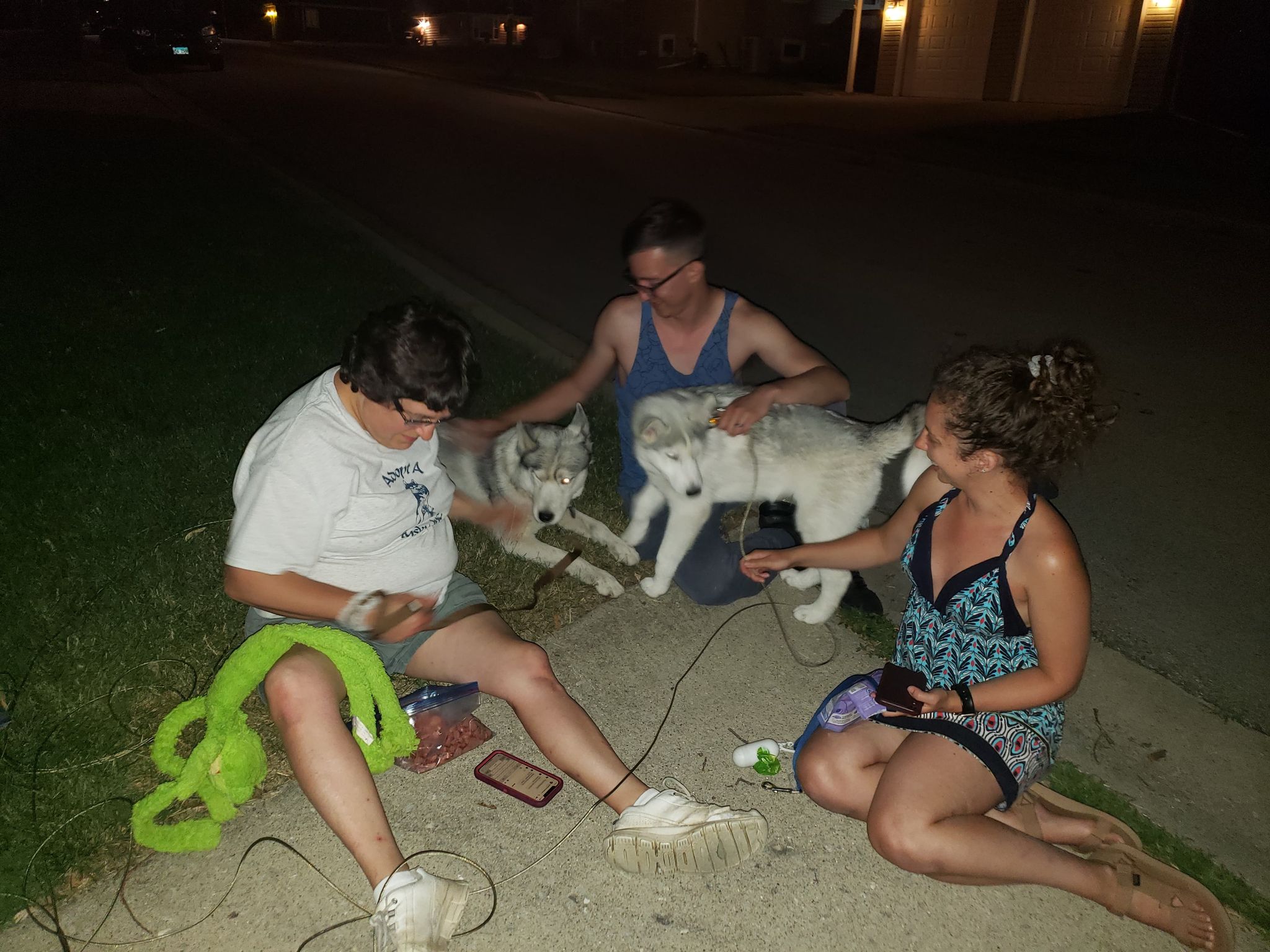
Beth from Adopt A Husky quietly sat on the ground with Rudu on a long lead, allowing Lyda to notice him on her own. The moment Lyda caught his scent, everything changed. After weeks of behaving like a wild animal in survival mode, she immediately recognized her puppy. That familiar bond helped break through her fear, allowing Beth to calmly leash her and bring her safely home.
It wasn’t commands or food that ended Lyda’s journey. It was the comforting presence of a dog she loved.
Success Story: Junior and His Mother
Junior’s recovery in Woodstock demonstrates another powerful use of a family companion.
After several days on the run, recovery teams finally located Junior inside a fenced industrial property. Instead of chasing him, they shifted immediately from searching to containing the area.
Junior’s mother, Princess, was brought to the scene on a long lead. As responders gradually reduced their presence, Princess remained inside the enclosure.
When Junior finally approached her, the two dogs greeted one another with relaxed body language, sniffing and circling in what handlers often describe as a reunion dance. The familiar interaction noticeably reduced Junior’s fear.
When his owner carefully moved in, Junior briefly bolted, a completely normal response, but because the area was secure and calm, he quickly returned to Princess. That second chance allowed his owner to safely secure him.
Princess didn’t “catch” Junior.
She simply reminded him that he wasn’t alone anymore.
One Tool Among Many
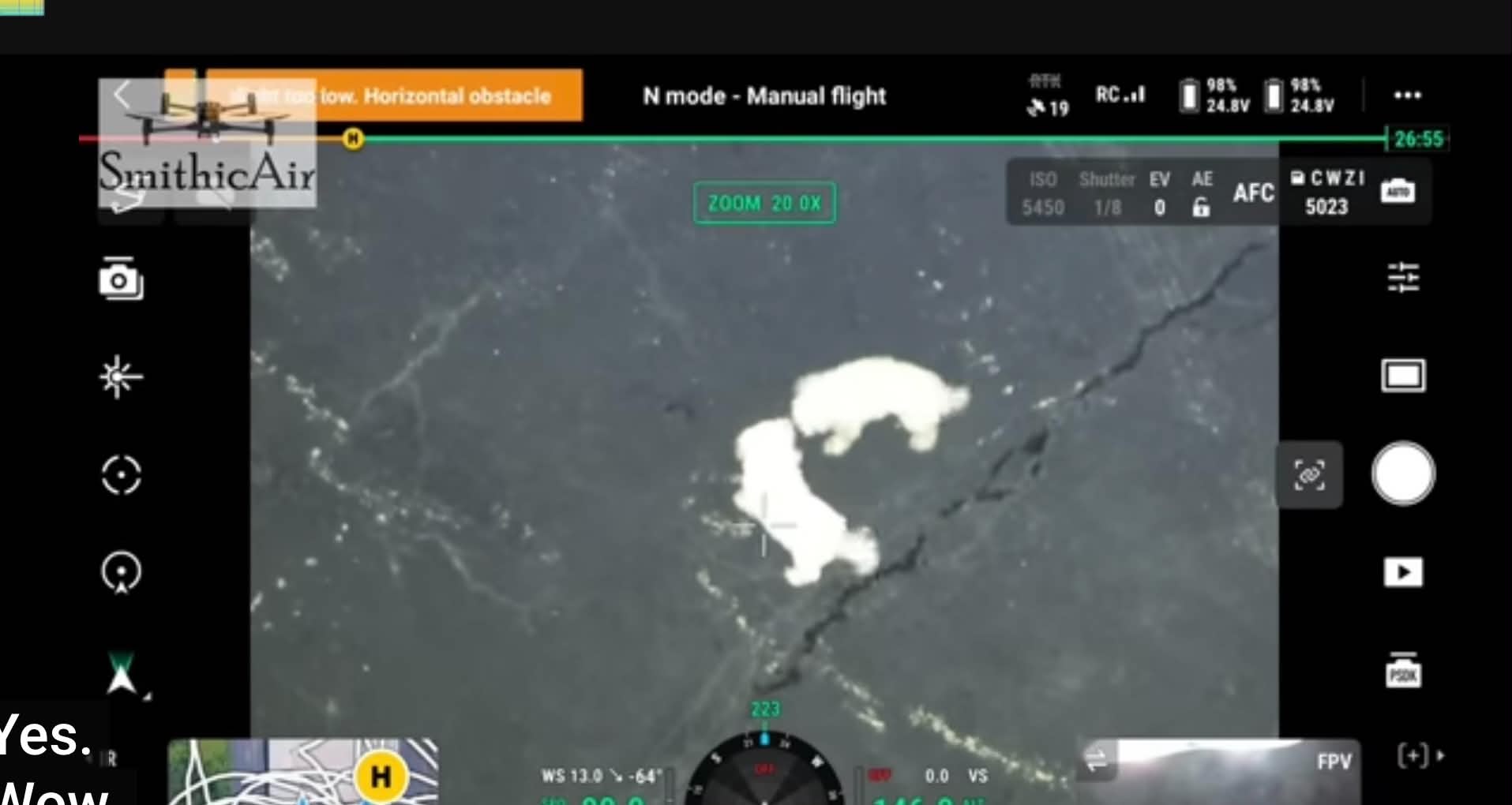
Magnet dogs are one of many specialized tools used in lost dog recovery. They are often combined with humane traps, feeding stations, trail cameras, behavioral analysis, drone support, and strategic containment.
The key is understanding that there is no single technique that works for every dog.
Some dogs respond to food.
Some respond to routine.
Some eventually enter a humane trap.
And some need the reassuring presence of another dog before they feel safe enough to come home.
The art of lost dog recovery lies in recognizing which strategy best fits the individual dog.
Patience Makes the Difference
Perhaps the greatest lesson magnet dogs teach us is that recovery isn’t about forcing a frightened dog to return. It’s about creating the conditions where the dog feels safe enough to choose to come home.
Whether that reassurance comes from a calm recovery dog or a beloved companion from home, the goal is the same: reduce fear, build trust, and allow natural canine behavior to work in your favor.
When used thoughtfully and at the right moment, a magnet dog can become one of the most effective tools in helping a lost dog find its way back to the people, and sometimes the canine companion, it loves most.