Revisit the ordinance to reduce the stray hold period for cats and dogs in Chicago

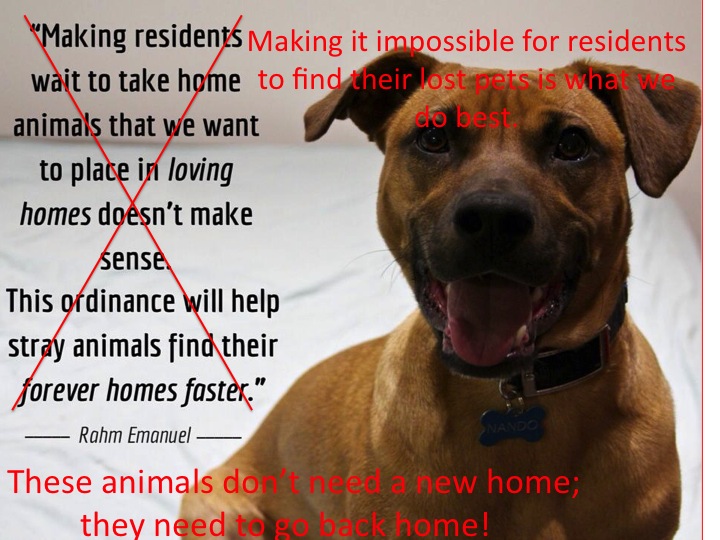
As most of our followers know, we supported and reposted the petition for Mayor Emanuel and Chicago City Council to revisit the ordinance to reduce the stray hold period for cats and dogs. We want to explain why we agree with the petition.

Last November we voiced our concerns on our Facebook page about the ordinance being passed by the budget committee. We asked our supporters to contact their aldermen and the Mayor to ask them to table it for public discussion. The next Wednesday our director attended the meeting to voice her concerns during public comments and was dismayed to find out that no public comments were allowed. The resolution was passed with 49 ayes. Alderman Pope moved to reconsider the foregoing vote. Motion was lost.

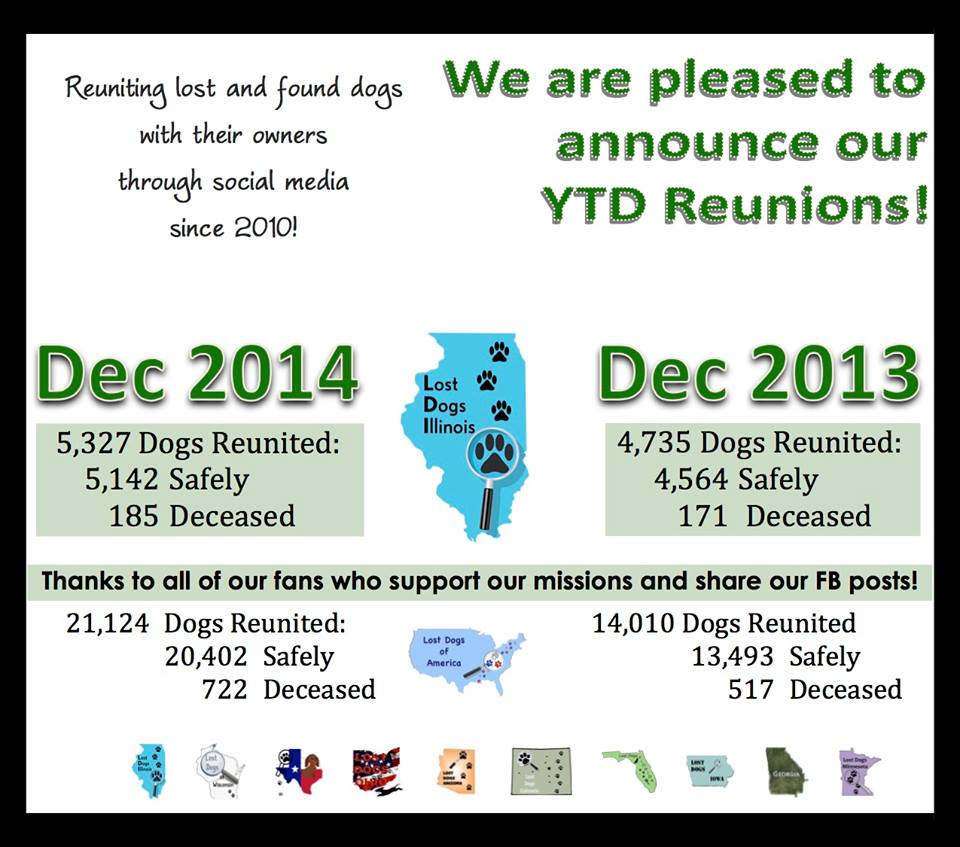
Slide1

What could have been done differently?

First of all, the Mayor and the Aldermen could have set aside the ordinance and asked the Commission of Chicago Animal Care and Control (advisory board) to research ways to increase the return-to- owner rates for Chicago Animal Care and Control (CACC).

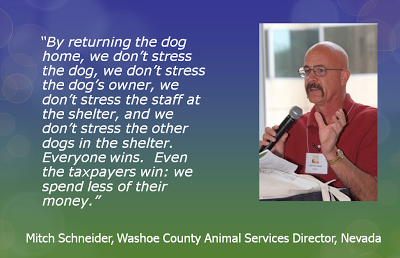
Here are some ideas that other cities have adopted to increase their return-to-owners rates. (tax dollars being spent wisely)

  1. Offer a “Free Ride Home Program.” Milwaukee, Kansas City, and Washoe County (NV) have similar programs. Animal Care staff will give a pet one free ride home per year if it is wearing a City pet license. No ticket will be issued for the first time licensed pets run at large. This puts licensing in a positive light showing the benefits of what it can do for an owner and their pet.
  2. Offer free or low cost ($5.00) microchip clinics. Washoe County, Nevada offered one year of free microchips and saw a 30% increase in their return to owner rates. (Side note: CA based Found Animal Foundation offers $4.95 microchip with free lifetime registration) In a recent study of US animal shelters, 52.2% of stray dogs and 38.5% stray cats with registered microchips were reunited.
  3. ID Me programs – ASPCA study found shelters that provide engraved ID tags with collars at the time of adoption or redemption show that pet owners will keep the collar w/tags on their pets which provides instant identification.

These are just a few simple suggestions to increase a shelter’s return-to- owner rate. There are many more.

We would like to have these questions answered regarding the reduced stray hold:

  1. Where was the discussion on how this would affect hundreds of thousands of families and their loved family pets in Chicago?
  2. What are the safeguards if a family of a dog or cat of “unknown ownership” comes in after the stray hold with proof of ownership? Can they get their dog or cat back? What is the procedure?
  1. Animal Welfare League (AWL) is the one of three non-city agencies that holds animals for City of Chicago. They do not post photos of found animals. Are the animals held for 3 days at AWL and then transferred to CACC to be held for another 3 days or does the stray hold clock start clicking at AWL.
  2. Because the new ordinance states “In the event the executive director determines that an animal of unknown ownership suffers from severe behavioral issues, the executive director may allow any disposition, of the animal after three days.” What is the definition of severe behavioral issues? What are the qualifications of the person who is determining these behavioral issues?
  3. Finally, where was the public campaign to explain this ordinance to citizens who considered their pets loved family members?

Many lost pets go unclaimed because it is virtually impossible for the average citizen to figure out the “system” in Chicago and Cook County. The owners are looking, but not in the right place, they don’t know where to look and the shelters make the false assumption that the animal is a “stray” or has been “dumped”. Factor in that a large percentage of the urban population speak limited English, have limited finances, transportation and computer access. They may work two jobs or shift work, and cannot visit the stray holding facility during normal business hours. This makes it difficult for people to claim their animals. The reduced stray hold exacerbates the problem.

Again, we are asking that you continue to sign and share the petition. Please send in your questions and comments to your aldermen and the Mayor. Thank you for your support and taking the time to read our blog.

City of Chicago Aldermen

rahm.emanuel@cityofchicago.org  Mayor

@ChicagosMayor Twitter

Mayor’s Facebook Page

susana.mendoza@cityofchicago.org  City Clerk

City Clerk’s Facebook Page


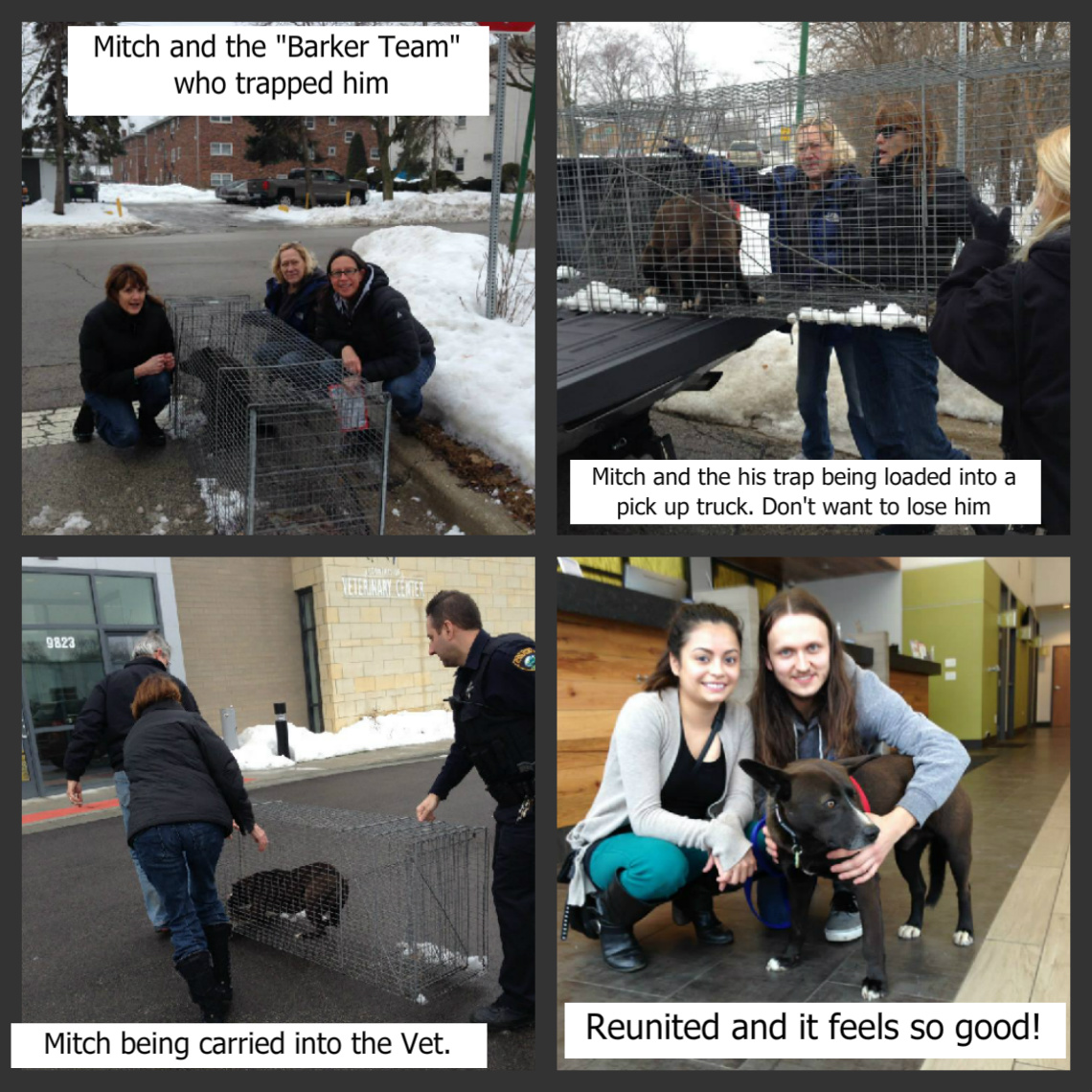
Mitch – A True Survivor’s Tale

Mitch Collage

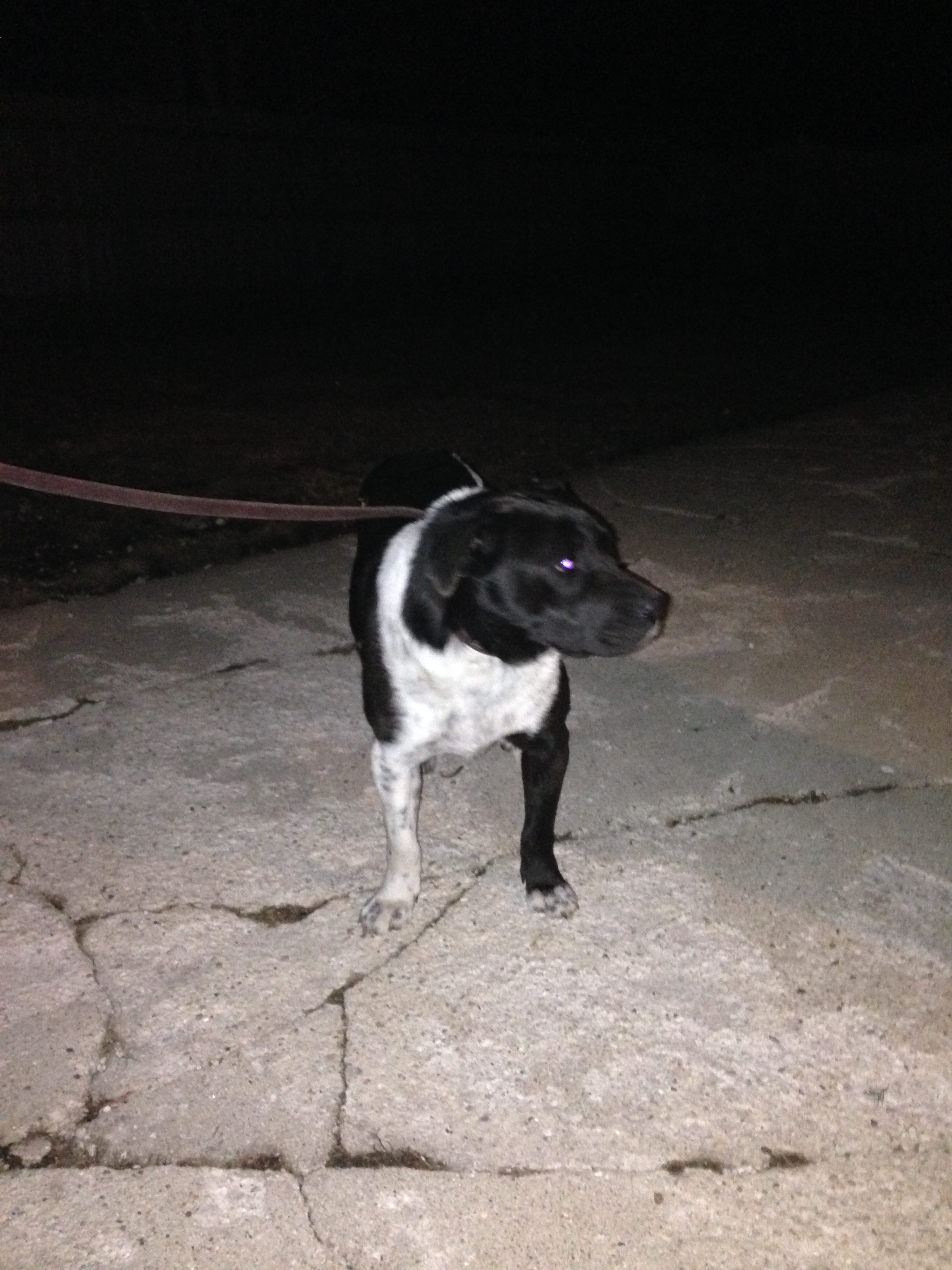
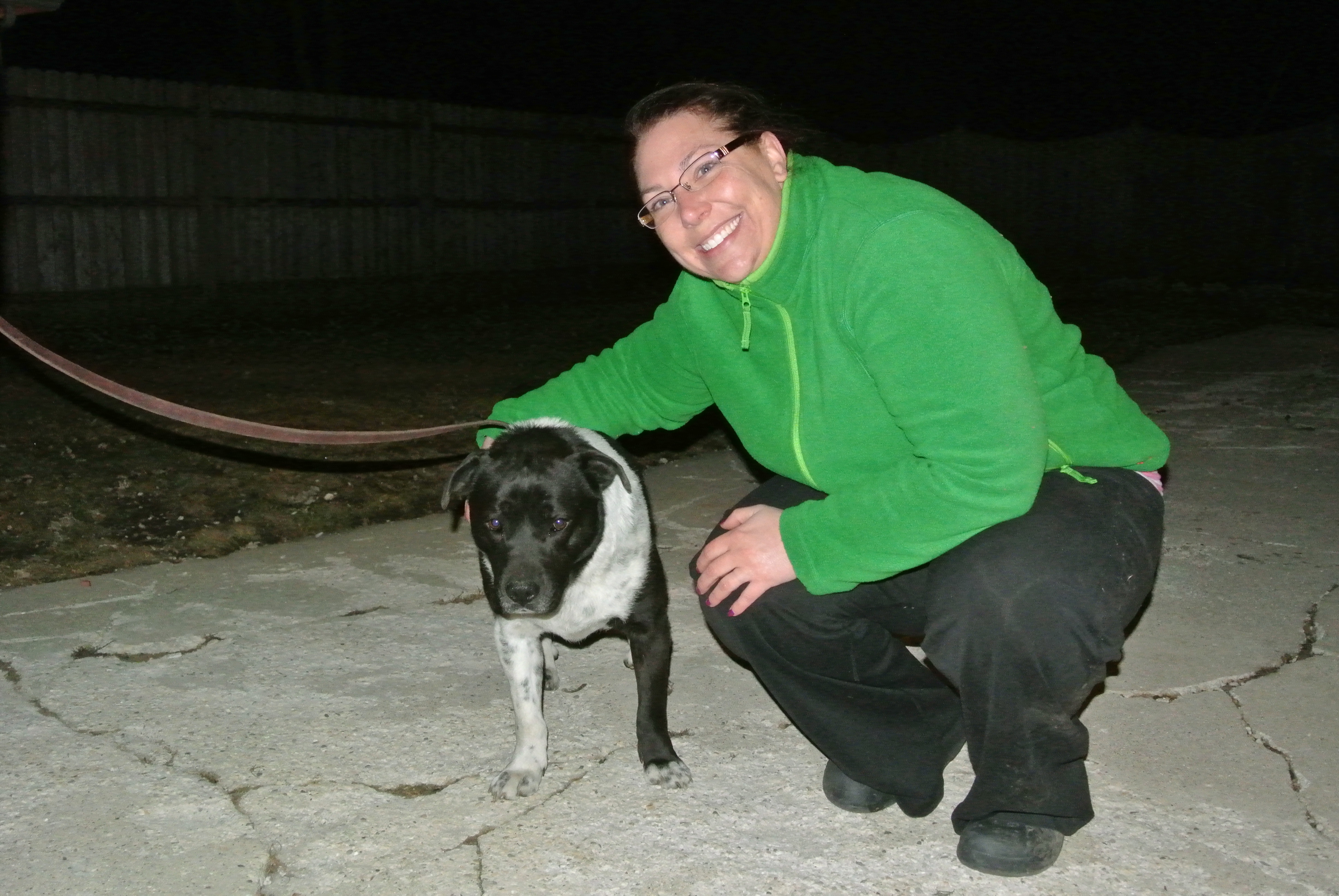
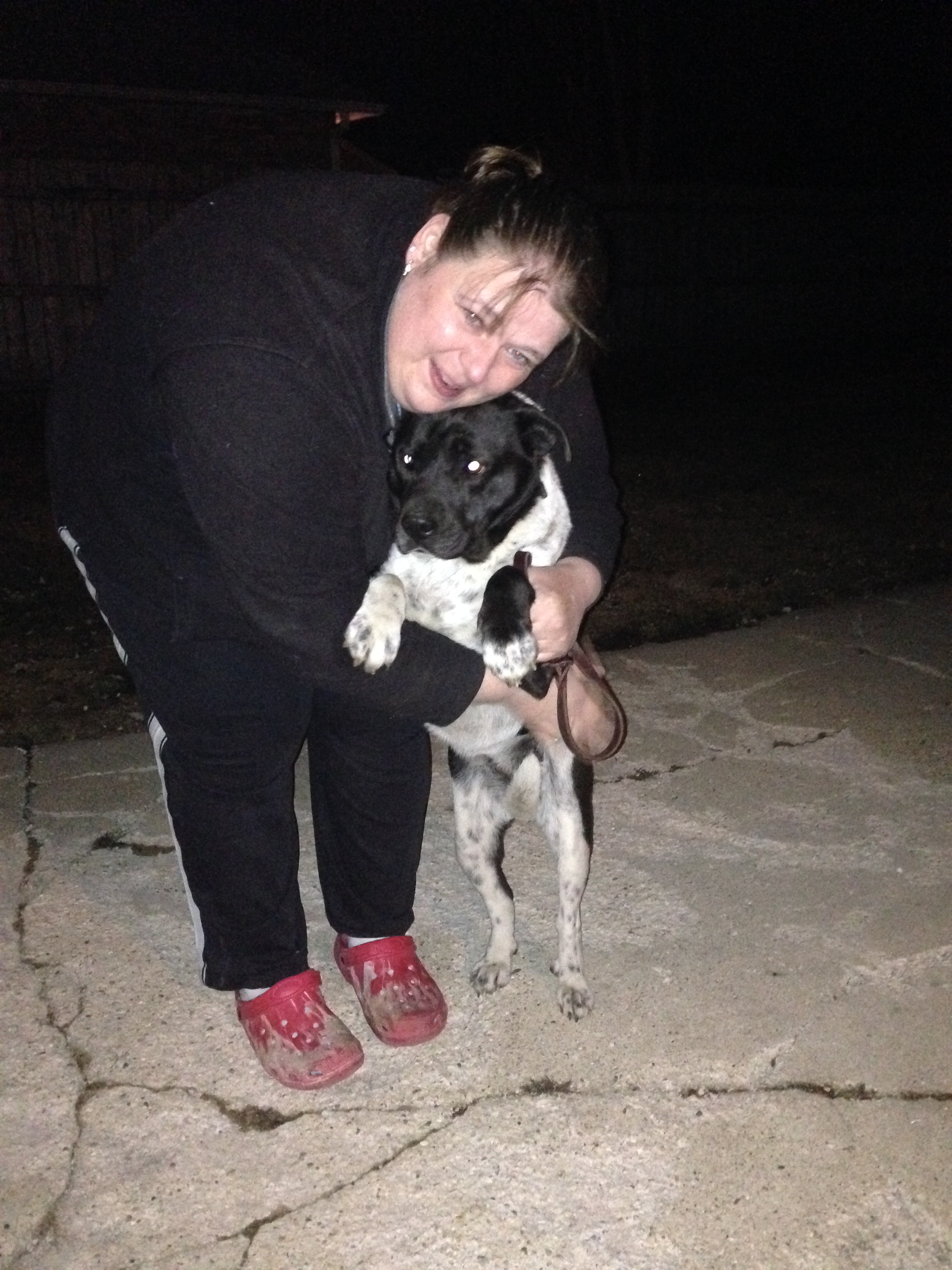
This is a true survivor’s tale – a story about a dog named Mitch, a Border Collie Mix who slipped out of his collar and went missing  on 1/20/14 just two weeks after being adopted by a new family.  Immediately after he got loose on that cold winter’s day, his family posted him on Lost Dogs Illinois.  As the weeks went by, they responded to each sighting, started a Facebook page dedicated to finding him, and never gave up hope.  Little did they know that Mitch had  been traveling from Burr Ridge to Countryside, surviving on his own for 6 months. During that time, neighbors were feeding him, the vet clinic was trying to lure him in, and the police were trying to catch him, but Mitch was in survival mode and evaded everyone.  And then, out of the blue, over a year since he’d been lost, a jogger contacted the staff at the Barker Shop in La Grange about this dog he kept seeing.  The shop posted the sighting on their Facebook page, and other people started posting that they too had seen this dog!  The Barker Shop Rescue Team went into action; set up a feeding station and then a humane trap, which they placed in the snow.  Mitch entered the trap right away but the door got caught in the snow and wouldn’t close.  They then moved the trap to an intersection, as Mitch watched their every move.  Once the rescue team returned to their cars, Mitch started sniffing around and got into the trap.  Success!  He was taken, inside the trap, to the vet clinic, where he was scanned for a microchip.  Once the chip information came up on the scanner, Mitch’s owners were called and there was a very, very happy reunion. Smart, brave, resourceful Mitch had survived the Polar Vortex and the Blizzard of 2015.  He did not starve, nor was he killed by coyotes.  Missing 1/20/14,  Reunited 2/08/15.  Welcome Home…at last, Mitch!

Luring a Shy, Lost Dog Using a Portable Grill

grillingforbryleeUsing a portable grill can be very helpful in catching a shy, scared dog. If you are getting sightings of your dog in a general area, we recommend setting up a feeding station. This can help to keep a lost dog in one area and eventually lead to capture. However, sometimes it is difficult to get a lost dog to find the feeding station. Grilling meats with a portable grill can help!

The smell of bacon or bratwurst cooking on a grill is very strong. Humans can pick up the scent of grilled meats when someone in the neighborhood is grilling out. Which means a hungry dog can also pick up that yummy, tempting scent, but from an even greater distance since dogs have a much better sense of smell than humans.

When you are grilling for a shy, lost dog, you must do it very quietly. You do not want to scare him out of the area. Pick a location near to where your dog’s sightings have been, but make sure it is an area that is people-free and safe for your dog (away from roadways, train tracks and thawing ponds). If your sightings have been consistent and you suspect that your dog is using a regular path of travel, then we recommend grilling near that pathway. This can improve your chances of your dog finding the tempting food. It is also important to get permission from the landowner to grill on their property. Make sure to read and abide by the grilling instructions included with your portable grill. Never leave a grill unattended.

Once you choose the location and receive permission from the owner of the property – you can begin. It is best to only have ONE person grilling to prevent your dog from getting scared away by the sounds of your voices. Remember, for a shy, lost dog – two’s a crowd! Once your grill is set up and the meat is cooking, quietly sit in the area for as long as it takes to cook. When the meat is cooked, you can place it on the ground or in your dog’s dish. If possible, set up a trail camera facing the grilled food, so you will know who has stopped by to eat and when (set the time/date function on the camera).

Don’t be disappointed if your dog does not find the food within 24 hours. Just grill quietly again the next day and leave the area. If your dog is seen eating the grilled food, it is important to continue to keeep yummy, tempting food at this location. He or she will be sure to stop by again for more. Once you know that your dog is coming to this feeding station on a regular basis, you can consider setting up a humane live trap near the food. Please see our articles on humane trapping for details.

Good luck and happy grilling! Remember, your lost dog is depending on YOU to bring him safely home.

Colleen Duero, Lost Dogs of Wisconsin Volunteer

When NOT to Use a Tracking Dog to Find a Lost Dog

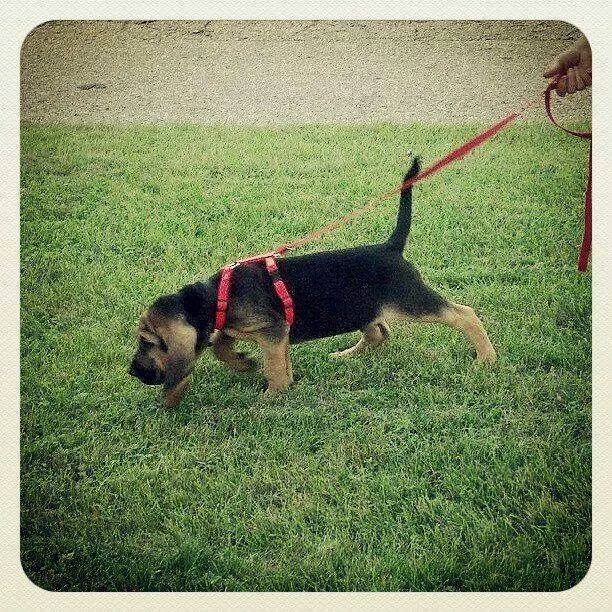
Photo courtesy of K McPherson

Photo courtesy of K McPherson

The idea of using a tracking dog to find a lost dog is very compelling, but most people who pursue this option do not have a good understanding of how a tracking (or trailing) dog works.  In some cases a tracking dog CAN provide useful information for locating a lost dog such as confirming sightings or establishing a direction of travel.  However, very few lost dogs are actually found and captured during the search (i.e. a “walk-up find”), which is what most people are hoping for when they hire a tracking dog team.

What many people do not consider is that there are actually some cases when you should NOT try to use a tracking dog to find a lost dog.  In these situations a tracking dog is not only a waste of money, but they can actually be detrimental to finding and catching the lost dog.  The situations where you should not use a tracking dog to find a lost dog include most cases where there are multiple sightings of the lost dog in a general area, and the dog is running in fear from everyone.  This most often occurs with newly adopted dogs and skittish lost dogs.  However, even an otherwise friendly dog can enter what is known as “survival mode” (where they run from all people including those that they know) if they are lost in a frightening situation (such as a car crash) or if they are on the run for several days, especially if people attempt to chase or capture them.  Sometimes these lost dogs will run for several miles (1-5 is common and 10 or more miles is not unheard of), but in most cases the lost dog will eventually settle down in a place where they feel safe.  Generally this safe place is somewhere with food, water, shelter, and (very importantly) where people are not attempting to approach or catch them.  In some cases the lost dog will actually circle around and come back to close to where they went missing.

If you you get multiple sighting (even 2-3) of the lost dog in a general area (hopefully less than 1 mile apart), then the lost dog has likely found a safe place to hide out.  The last thing that you want to do in this situation is chase the dog out of his newly found haven.  If you use a tracking dog, they may help you find out where your dog has been taking shelter and getting food, but in the process you may scare your dog out of the safe place.  Likewise, it is a very bad idea to have human search teams go into this area and look for the lost dog, especially if it is a wooded area.  Even if they see the dog, they are most likely going to scare him out of the area.  In either of these situations, the lost dog may feel pressured to leave the area and find a new safe place, perhaps miles away.

In these types of cases, it is very important to leave the dog alone and encourage others to report sightings, but not to approach or attempt to catch the dog.  Most of these dogs are ultimately caught using lure and capture techniques such as feeding stations, calming signals, surveillance cameras and/or humane traps.

Thank you Danielle of Lost Pet Research and Recovery for giving us permission to use her article.

The Top Five Reasons Shelters/Stray Holding Facilities Should Post Pictures of Lost and Found Pets on Facebook Or Their Website

top5logo

5. Shelters/stray holding facilities that post pictures and flyers of lost and found pets on Facebook or Websites generate goodwill, positive press and donations.

4. Shelters/stray holding facilities will elevate their reputation in the community from “dogcatcher” to compassionate life-savers. Since “stray” contracts are funded with taxpayer money, they will show that they are using their funds wisely.

3. Pictures and information about lost and found pets are widely shared.  This will increase a shelter’s Facebook “edgerank” making their other posts appear more frequently in their supporters newsfeeds, generating more adoptions and donations. We post a shout out on LDI’s Facebook page  if your organization is posting “found” dog pictures on your organization’s Facebook page.

2. Since an estimated 40 – 60% of animals in shelters are lost pets, proactively working to get them home by posting pictures will reduce overcrowding and disease, and free up kennel space for needier animals.

1. And the NUMBER ONE reason that shelters/stray holding facilities should post pictures of lost and found pets on Facebook and Your Website?   Because it makes reunions like this happen. Need we say more?

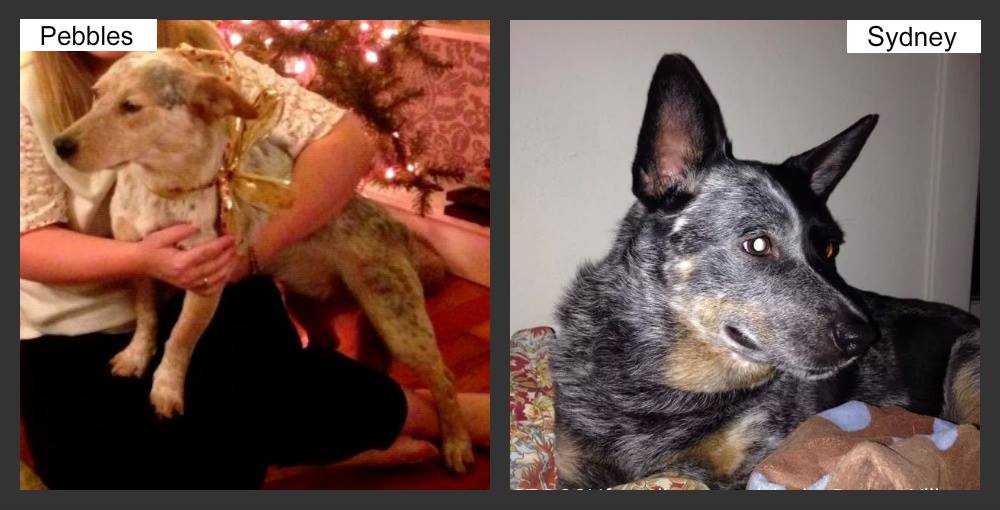
Pebbles & Sydney 12.2014

Reunited ~Peebles and Sydney from Chicago were reunited within seconds of their owner posting on Lost Dogs Illinois Facebook page.  One of Lost Dogs Illinois loyal fans checked Petharbor and found their listing on the website.

Thank you to all of the shelters who do post pictures and share flyers of lost and found pets on your Facebook page and Websites.  YOU are saving lives.


Putting the Pieces into Place for Your Pet’s Microchip

Ottawa 5

Disclaimer-Lost Dogs Illinois believes all dogs should wear a collar with an up to date readable id tag and have a properly registered microchip.

We know microchips work in helping pets get home when all the pieces fall into place.

First, the animal is brought to a vet clinic, rescue/shelter or animal control facility that scans every animal entering the facility using AVMA standards and has a universal scanner with working batteries that reads all chip frequencies and then:

  • Your microchip is registered to you
  • Your information is up to date
  • The chip is registered to the right animal

All too often we hear reports of found dogs that have chips but; they are not registered, not registered to the correct owner or the information is out of date. At events where we offer free scans to dogs many owners do not understand how microchips work and that they need to register the chip and always keep the information up to date.

So to help get the pieces into place we strongly urge you to make sure your pet’s microchip is registered to you and the proper animal and your information is always kept up to date.

The Dangers of a Dog Bite


An inexpensive pair of leather work gloves can prevent a potentially dangerous dog bite.

An inexpensive pair of leather work gloves can prevent a potentially dangerous dog bite.

Although the title might seem obvious (of course dog bites can be dangerous!) we want to point out some of the not so obvious issues with dog bites and lost dogs. One of the greatest dangers of a dog bite can be to the dog himself.

Lost dogs are usually scared and running on high adrenaline. Many lost dogs will understandly turn and bite out of fear when they are finally caught. Well-meaning but mis-informed owners and Good Samaritans (whose adrenaline is probably also running high) can inflame the situation and cause the dog to bite. In Illinois (and most states) every bite or scratch that breaks skin results in a 10 day rabies quarantine for that animal. The bite can be little more than a nip, but in the eyes of the law, they are all the same and will be treated the same.

If the dog’s rabies vaccine is not current (or the status of their rabies vaccine is unknown) then the quarantine must be done at a shelter or stray holding facility.  The stress of the shelter and the close contact with other dogs puts the lost dog at high risk of getting sick. The costs of the quarantine, medical treatment and care for the dog will be transferred back to the owner and may be hundreds of dollars.  If an owner cannot afford the reclaim fees, the dog is at high risk of being put down, because the shelter may not consider the dog “adoptable”.

If the lost dog is a foster dog, a dog lost from a rescue transport,  or a shelter or rescue dog, they may be deemed “unadoptable” if they bite someone (even if they bite out of fear and are normally a friendly dog). Many shelters and rescues will not take on the additional risk of liability of a dog that has bitten and will put him down.   This is a very sad reality.

How can you, as an owner or a Good Samaritan, prevent dog bites? By doing everything possible to avoid them.  Whenever possible, let the owner handle the dog.  If the owner is not there, contact them,  put some food on the ground and retreat. Let the dog eat and get comfortable and wait for the owner to arrive. If you must approach a lost dog do it with great caution. Better yet, let him come to you. Sit on the ground with your back to the dog and gently throw out tasty treats to him. He may creep towards you. ALWAYS carry and wear thick, leather gloves. Completely cover your hands and arms. If you are helping someone with a trap, always wear gloves – especially when releasing wildlife, carrying the trap with the dog in it, or removing a dog from a trap.  Make sure that everyone that is helping with a trap is also equipped with leather gloves.

At the very least – dog bites are expensive. At most – they may result in the death of a dog.  Please do everything possible to avoid being bitten when you are helping someone catch their missing dog.

ANNAPOLIS – A HEARTWARMING STORY OF AN AMAZING REUNION AND A REMINDER TO NEVER GIVE UP HOPE!

Annapolis

Annapolis and Gizmo were playing in their yard in Bureau, Illinois in June of 2013 when they both got out through a hole in their fence. Immediately upon discovering they were missing, their owners, Stefanie and David, ran around to the front of the house only to discover Gizmo standing right there in front of them and Annapolis nowhere to be found! It was if he had vanished into thin air!

Stefanie and David registered their lost dog immediately with Lost Dogs Illinois, and then they set out searching for him. They scoured the neighborhood going door to door and hung flyers everywhere they could think of. They contacted every vet clinic, humane society, and shelter in the area, only to be told he had never been found. Any potential sightings only led to dead ends and disappointment. They even went to local adoption events thinking they would somehow locate him. Yet all their hard work never paid off.

However, his owners never gave up hope! They each had a set of websites that they checked daily that included every humane society, shelter, and animal control facility in the area. They checked craigslist, liked every dog-related Facebook page they could imagine, and they followed up on every lead and every sighting, even going places in person to check if it was their beloved Annapolis.

Then on December 23, 2014 Stefanie was perusing the local shelter pages when she came across a post for a male chiweenie who was up for adoption. He was listed under another name, but she was almost 100% positive this was Annapolis. Once they got a hold of the shelter, Stefanie and David made the hour-long drive to the Henry County Humane Society to see if this was their dog. When they got out of their car, a volunteer was just taking the dog out for a walk. As soon as they saw the dog, they immediately knew this was Annapolis! He came running up to them with his tail wagging as if he knew he had finally been reunited with his owners.

Now that they had finally found him, they wanted to know how he had ended up at the humane society. They were told that the local police had found Annapolis running loose in an industrial area and that no one ever claimed him. He was surrendered to the local no-kill shelter in Henry County and was being prepped for adoption when Stefanie happened upon him on that Tuesday just before Christmas.

Annapolis finally arrived home on January 7th, 2015. He settled in right back into his old routine. It was if he never left!!!!

Stefanie wanted to share a few words of wisdom with those still looking for their lost pets:

“I would of never thought to microchip my pets, I have a fenced in yard and live in a small town, everyone knows everyone and their pets. But now I know you can never be to safe! My dogs now are chipped, collared, and never left unattended in my yard.

When losing a pet you never want to give up hope. Yes it might get hard to believe your pet will be reunited after a month even more after 6 months and after a year your hope might slim but always keep looking never give up, We would of never  found Annapolis if we would of just gave up.”

WELCOME HOME ANNAPOLIS!

Written by Amanda T., LDI volunteer

Part 2 – Where Oh Where Could My Lost Dog Be Held in Cook County?

As a follow-up to our first article, Where Oh Where Could My Lost
Dog Be Held in Cook County, we wanted to share a prime example of hard it is to find your missing dog in Cook County.

Harley went missing in Garfield Ridge. He was taken to Cicero Animal Control by the finder, Harley 12.16.14transferred to Animal Welfare League for placement and then pulled by Trio Animal Foundation (TAF).  Luckily TAF created a miracle by taking the extra few minutes to research the chip.  They realized Harley didn’t need a new home; he needed to go home.  TAF was his advocate!  Harley’s story illustrates how broken the current animal control system is.

We feel it is important for our fans to get the total picture of the problem.  Why should you care?  Let’s start with distinctions.  Chicago Animal Control is often confused with Cook County Animal Control. Chicago Animal Care and Control (CACC) is located at 2741 S. Western Avenue in Chicago.  Cook County Animal and Rabies Control (CCARC) has no facility.  So you may find it as absurd as we do that all the rabies tag money, along with fines, fees, etc. fund Cook County Department of Animal and Rabies Control.  The City of Chicago, along with the other municipalities in Cook County, are stuck funding their own services, mostly through taxpayers.  City of Chicago Animal Care and Control is funded by taxpayers, fees, fines, and services rendered, etc.  If you live anywhere in Cook County, you should demand best practices and better services from both organizations for the betterment of animals and residents alike.

Here are some facts about  (1) City of Chicago Animal Care and Control and (2) Cook County Animal and Rabies Control.

City of Chicago Animal Care and Control (CACC)

–      Has a dismal return to owner  (RTO) rate of 15% for dogs.  Some animal control facilities in Illinois have an over 50% RTO for dogs.

–    CACC has reduced the stray holding period from 5 days to 3 days meaning owned family dogs will be adopted, transferred or killed quicker.

–    Microchips are not registered to the owners at time of adoption and redemption.  We believe that CACC should as a service registered the chips to the owners.  We are amazed when we provide free scans at events; the majority of owners really don’t understand the nuances of microchips.

Cook County Animal and Rabies Control (CCARC)

–   Rabies tag information is kept at their office.  Office hours are Monday-Friday (8:30 – 4:30).  So if your dog is taken to a vet clinic, City of Chicago Animal Care and Control, Animal Welfare League, etc. or kept by a Good Samaritan, on a Friday night; they are not able to research the tag until Monday morning.   This creates more stress for the owner and owner’s dog and if the dog is held in a facility, an owner has to pay more money to reclaim his/her dog.

–   Cook County Animal and Rabies Control provide low cost microchip clinics.   Chips are not registered to owners.  Again, we believe that CCARC should as a service registered the chip for the owners.  We are always amazed when we provide free scans at events; the majority of owners really don’t understand the nuances of microchips.

–   Cook County has no facility to hold dogs for Cook County.

–   Cook County’s stray holding facilities are not listed on their website. This simple step would help the public look for their dogs.  http://www.cookcountyil.gov/animal-rabies-control-home/

–   There is NO database of photos/descriptions of animals being held in stray holding facilities in Cook County.

How do we resolve the issues of Cook County’s animal control system?  Speak out strongly to your local elected officials about this issue.  Our pets are family and we deserve the right to know where they are being housed.  Simple changes like posting “found” dogs pictures on social media, registering microchips to the owner at the time of adoption or redemption or posting the list of stray holding facilities on each website can make a huge difference to improve Return to Owner rates

Cook County Commissioners

City of Chicago Commissioners